Patient Education
Pack Healthy Lunches for Kids
At Children's Dental Center, we want parents to feel comfortable making decisions about their children's dental health. Taking care of teeth is about more than avoiding cavities. Good oral hygiene is an important part of a child's overall health, and the habits they learn early can stay with them for years. Regular dental checkups and cleanings certainly help, but what children do at home every day matters just as much. Brushing twice a day, flossing, and making healthy food choices all play a part in keeping their teeth in good shape. Of course, between school, sports, and other activities, finding time for everything isn't always easy.
Packing Healthy Lunches
As you get up in the morning and hurry to get the kids off to school on time, you want to be sure that they are getting healthy nutrition for the day. You also want to be sure that your child is eating foods that won't contribute to cavities or other similar problems. Packing healthy lunches, or instructing your kids on making healthy food choices, can help your child get off on the right foot during the start of the school year. How do you pack lunches for your kids that are healthy? You also want to help promote a healthy mouth for your child.
The Journal of Nutrition Education and Behavior found that packed lunches tend to be higher in calories and sugar than school lunches. If you want to avoid some of the pitfalls of packing a lunch from home, here are some tips from your children's dentist in Indianapolis.

Meet
Dr. Edwards

Pediatric
Dental Services

Read
Our Reviews

Find
Our Office
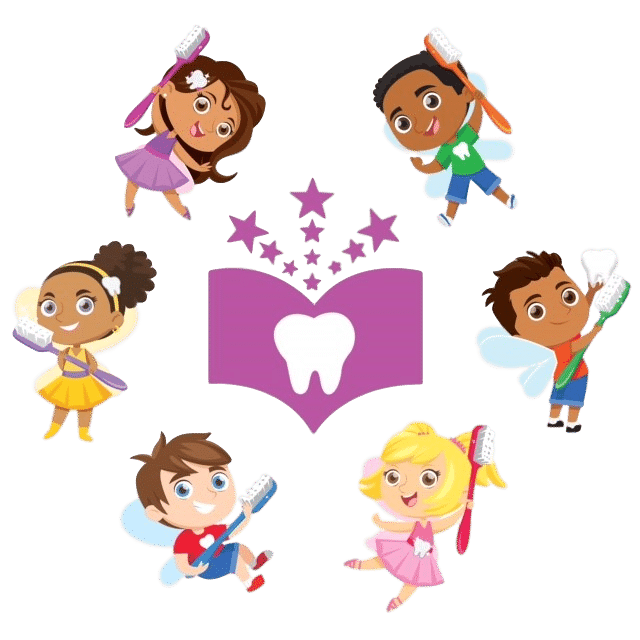
Let Carrie & Larry, the Tooth Tickling Fairies help show you how to care for your child's teeth at home!
Schedule the Tickling Tooth Fairies reading at your school.
Read Our Testimonials
8 Tips to Packing Healthy Lunches
-
AVOID PACKING TOO MUCH FOOD
It makes sense that you want to ensure your child has enough food to eat. This can lead to packing too much food. More than your child actually needs. Assess how much your child eats at home and try to pack their lunch to reflect that, as opposed to adding extra food just in case.
-
AVOID CHOOSING FOODS PACKAGED "FOR KIDS"
Sometimes foods with packaging for kids aren’t the smartest nutritional choices. They often have extra sugar and salt. It is a good idea to check the nutrition facts panel and ingredients list on these kinds of food as well as other food.
-
BE SURE TO INCLUDE PROTEIN
Snacks are easy to find. But finding protein-rich snacks that are healthy can be harder. Don’t overpack with carbs, but include snacks like yogurt that also include 5 to 7 grams of protein.
-
INCLUDE FOODS THAT ARE GOOD FOR TEETH
Here are a few foods that have been shown to promote healthy teeth and mouth. Some of these include: cheese, yogurt, leafy greens, apples, carrots, celery, and almonds.
-
REMEMBER TO PACK FOOD THAT YOUR CHILD EATS AT HOME
Make sure and focus on providing food that your child will actually eat. You want to provide healthy choices, but you don’t want them to hate the options either. If your child likes to snack, provide healthy snacks instead of a large sandwich. If they prefer milk to juice, make sure you give them an option they will like and want to eat.
-
REMEMBER TO INCLUDE VEGETABLES, NOT JUST FRUIT
Fruit-based snacks can be easy to find. They are also sweet, so kids tend to like to eat them. But be sure to include vegetables as well, as children need the nutrients they possess.
-
PLANNING AHEAD CAN HELP THE PROCESS
Think about a plan for the day and how your child’s lunch fits in with their breakfast and dinner. Also, planning lunches for the week ahead of time helps ease some of the stress in the morning. You will pack healthier lunches if you plan them ahead of time.
-
PACK LUNCHES THAT KIDS WILL LIKE
Kids tend to make choices based on how they look. So making a lunch that looks colorful and fun is a big help.

Meet Dr. Edwards
MICHELLE H. EDWARDS, DDS, MSD
Indianapolis Pediatric Dentist Dr. Edwards helps families set the stage for a life-long commitment to oral health in a friendly and approachable manner. She provides a pleasant visit to the dental office, promoting trust and confidence in young patients that lasts a lifetime.