
Patient Education
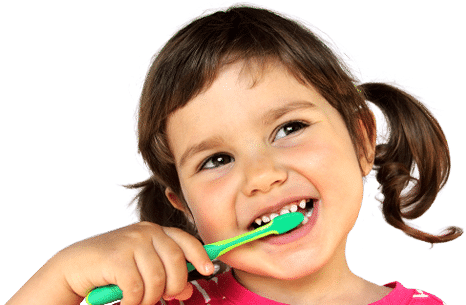
Thumb Sucking: Do's and Dont's
Thumb sucking is a natural habit for babies, and some even start doing it before they're born. It's a way for young children to comfort themselves, especially when they're tired or upset. But as your child gets older, you may start wondering whether the habit is affecting their teeth. Thumb sucking that continues for too long can sometimes lead to problems with tooth alignment or how the jaws develop. At Children's Dental Center, we've worked with plenty of families dealing with this concern. The good news is that patience, encouragement, and a few changes at home can help your child move away from the habit. Here are some things to try, along with a few approaches you'll want to avoid.
Don’t: Obsess Over Early Thumb Sucking
When you notice a brand new tooth in your child’s mouth, you might start stressing over their long-term thumb-sucking habit. But dentists and pediatricians warn parents not to become fixated on early thumb sucking. It isn’t likely to become a lifelong habit. The American Dental Association reports that between 85% and 99% of children stop sucking their thumbs on their own before they are four or five years old, so many things you might do before that to prevent thumb sucking could do more harm than good.
Do: Be Mindful Of the Problem
That being said, parents should watch their child’s thumb sucking to make sure they aren’t injuring their mouth or their thumb. Watch out for aggressive sucking, biting, or constant moisture that can make the lips chapped and sore. If your child exhibits injuries due to thumb sucking, talk with your pediatrician and your pediatric dentist in Indianapolis. You should also talk to us if your child is older than four or five years old and still sucks their thumb frequently. Older thumb sucking could show a deeply rooted habit, and our pediatric dentists can offer tips, tricks, medicines, or mouth guards to curb the habit.

Meet
Dr. Edwards

Pediatric
Dental Services

Read
Our Reviews

Find
Our Office

Let Carrie & Larry, the Tooth Tickling Fairies help show you how to care for your child's teeth at home!
Schedule the Tickling Tooth Fairies reading at your school.
Read Our Testimonials
Don’t: Shame Your Child
It can be frustrating when children continue to do something that you warned them about. This is especially true when you know the damaging dental side effects of things like thumb sucking. But, shaming your child by punishing them or pointing the habit out to their peers won’t help—but it could definitely hurt their self-esteem.
Do: Positive Reinforcement
Compliment your child when you notice they aren’t sucking their thumbs, and tell them how proud you are that they are sucking their thumbs less. Children love to make their parents proud. A little positive reinforcement here and there can help them to kick the habit permanently.
Don’t: Intentionally Scare Your Kids
Some parents try to scare kids out of sucking their thumbs by showing them pictures of damaged teeth or talking to them about complex psychological issues like anxiety. Although it might be tempting to explain the intricacies of thumb sucking to your children, scaring your kids could make them feel like they are doing something wrong, when thumb sucking is a very common issue.
Do: Explain Why Thumb Sucking Isn’t a Good Idea
When talking to your child about thumb sucking, try to keep the conversation relaxed and positive. Explain that sucking their thumb can affect how their teeth grow and that it's a habit they'll eventually need to leave behind. Avoid teasing, scolding, or making them feel embarrassed about it. Talking things over calmly at home can help your child understand why stopping is important without making them feel pressured or afraid.

Meet Dr. Edwards
MICHELLE H. EDWARDS, DDS, MSD
Indianapolis Pediatric Dentist Dr. Edwards helps families set the stage for a life-long commitment to oral health in a friendly and approachable manner. She provides a pleasant visit to the dental office, promoting trust and confidence in young patients that lasts a lifetime.