
Habit Appliances
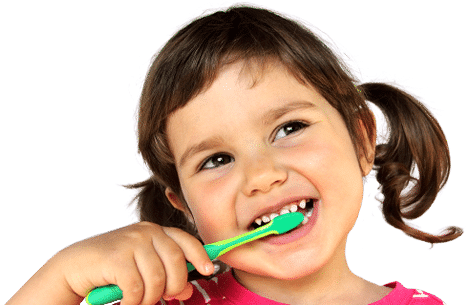
Habit Appliances in Fishers and Indianapolis, IN
Many children develop oral habits as part of normal growth. Thumb sucking, finger sucking, prolonged pacifier use, tongue thrusting, and similar habits are common in young children, especially when they are tired, nervous, or trying to self-soothe. In many cases, children stop these habits on their own. However, if the habit continues as the teeth and jaws develop, it may begin to affect your child’s bite, tooth position, or jaw growth.
At Children’s Dental Center, we provide habit appliances for children who need extra help breaking an oral habit that may be affecting their smile. Our approach is supportive, patient, and child-focused. A habit appliance isn’t meant to punish or shame a child. Instead, it serves as a gentle reminder that helps interrupt the habit and gives the mouth a better chance to develop properly.
What Is a Habit Appliance?
A habit appliance is a custom dental appliance used to help children stop habits that place pressure on the teeth, jaw, or roof of the mouth. These appliances are often used for:
- thumb sucking
- finger sucking
- tongue thrusting
- other habits that continue beyond the age when most children naturally stop
Depending on your child’s needs, the appliance may be fixed in place or removable. Some habit appliances make it harder for the child to comfortably suck their thumb or fingers. Others help guide the tongue into a better resting position. The goal is to reduce the habit over time so the teeth and bite can develop in a healthier way.
A habit appliance may be recommended as part of Phase 1 Orthodontics if the habit is contributing to bite problems, spacing concerns, or changes in jaw development.
Why Do Children Need Habit Appliances?
Oral habits are not unusual in childhood. Sucking habits often begin as a source of comfort and may continue during sleep, stress, boredom, or quiet time. For many children, these habits fade naturally. When they continue for too long or are especially strong, though, they can begin to affect the developing mouth.
Thumb sucking or finger sucking may place pressure on the front teeth and upper jaw. Over time, this can contribute to an open bite, protruding front teeth, a narrow upper arch, or changes in the way the upper and lower teeth meet. Tongue thrusting may also affect the position of the front teeth or make it harder for a bite to close properly.
A habit appliance can help break this cycle. By making the habit less automatic or less satisfying, the appliance gives your child a chance to replace the habit with healthier patterns.
Common Habits That May Affect Dental Development
Several childhood habits can affect the way the teeth and jaws develop if they continue for too long.
Thumb sucking and finger sucking are among the most common. These habits may seem harmless at first, especially in babies and toddlers. However, if they continue while permanent teeth are starting to come in, they may influence tooth position or bite development.
Prolonged pacifier use can also affect the shape of the bite, especially if used frequently beyond the toddler years. Pacifiers may be helpful for soothing infants, but they’re usually meant to be temporary.
Tongue thrusting is another concern. This happens when the tongue pushes forward against or between the teeth during swallowing, speaking, or resting. Over time, tongue pressure may contribute to spacing, an open bite, or relapse after orthodontic treatment.
Mouth breathing, lip habits, or other repeated oral patterns may also be evaluated if they appear to be affecting your child’s bite or facial development.
Contact Us Today
We are always ready to help protect your child's teeth!
The mission at Children's Dental Center is to build a dental home valuing prevention, early detection, and treatment of dental disease in children.
Call 317-932-7134 today
Signs Your Child May Benefit From a Habit Appliance
Parents may notice certain signs that suggest an oral habit is affecting their child’s smile. Your child may benefit from an evaluation if they continue thumb sucking, finger sucking, or pacifier use beyond the toddler years—especially if the habit is frequent or difficult to stop.
Other signs may include front teeth that don’t touch when your child bites down, upper front teeth that appear pushed forward, a narrow upper jaw, speech changes, difficulty closing the lips comfortably, or a tongue that frequently rests between the teeth. You may also notice that your child continues the habit during sleep or when they are anxious, even after repeated reminders.
These signs don’t automatically mean your child needs a habit appliance. Some children may respond well to encouragement, positive reinforcement, and time. Our team can evaluate your child’s teeth, bite, and habit pattern to determine the best next step.
How Do Habit Appliances Work?
Habit appliances work by interrupting the habit and making the usual motion less comfortable or less automatic. For a child who sucks their thumb or fingers, the appliance may prevent the thumb from resting against the roof of the mouth in the same familiar way. For tongue thrusting, the appliance may help remind the tongue to stay in a better position.
The appliance doesn’t “force” a child to behave differently in a negative way. It works best when the child understands why it is being used and has support from parents and the dental team. Positive encouragement is important. Children are more likely to succeed when the appliance is presented as a helpful tool rather than a punishment.
During your child’s visit, we will explain how the appliance works, how long it may be needed, and what changes you can expect at home.
What Should Parents Expect?
When a habit appliance is first placed, your child may need a short adjustment period. They may notice extra saliva, mild speech changes, or a different feeling when eating. These changes are usually temporary as the mouth adapts.
Some children feel frustrated at first because the appliance interrupts a habit that has been comforting to them. This is normal. Parents can help by staying calm, offering encouragement, and praising progress. The goal is to help your child feel proud of breaking the habit, not embarrassed by needing help.
Our team will provide instructions for cleaning the appliance and caring for your child’s teeth during treatment. If the appliance is fixed in place, your child will need to brush carefully around it. If it’s removable, we will explain when it should be worn and how to keep it safe when not in the mouth.
Read Our Testimonials
Schedule a Habit Appliance Evaluation Today!
If your child continues to suck their thumb or fingers, uses a pacifier beyond the toddler years, pushes their tongue against their teeth, or shows signs of bite changes, Children’s Dental Center can help. A habit appliance may be a helpful tool for protecting your child’s developing smile and supporting healthier growth.
Call Children’s Dental Center today to make an appointment. Our office is located at 9885 E. 116th Street, Suite 100, Fishers, IN 46037. We proudly serve children and families from Fishers, Indianapolis, Noblesville, Carmel, Westfield, and surrounding Central Indiana communities.

Meet Dr. Edwards
MICHELLE H. EDWARDS, DDS, MSD
Indianapolis Pediatric Dentist Dr. Edwards helps families set the stage for a life-long commitment to oral health in a friendly and approachable manner. She provides a pleasant visit to the dental office, promoting trust and confidence in young patients that lasts a lifetime.